
Home > BLOG
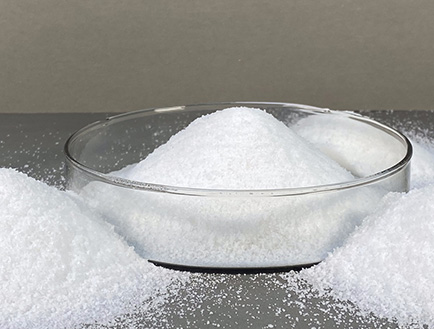 Solid products are packaged in polypropylene woven sacks lined with plastic bags, each containing 25kg. Gel formulations are supplied in plastic drums lined with plastic bags, available in 50kg or 200kg capacities. 5) This product is hygroscopic and should be stored in a sealed container in a cool, dry place at temperatures below 35°C. 6) Avoid spilling solid product on the floor to prevent moisture absorption causing slippery surfaces. 7) Prepare PAM aqueous solutions in enamel, galvanised, aluminium, or plastic containers. Do not prepare or store in iron vessels. 8) During dissolution, add the product slowly and evenly into a dissolver equipped with stirring and heating capabilities. Avoid clumping. Prepare the solution at an appropriate temperature and avoid prolonged, excessive mechanical shear. Stirring speeds of 60–200 rpm are recommended; otherwise, polymer degradation may occur, affecting performance. 9) PAM aqueous solutions should be prepared immediately prior to use. Prolonged storage of dissolved solutions will result in gradual performance degradation, depending on water quality. 10) Following the addition of flocculant solution to a suspension, prolonged vigorous agitation will disrupt the formed flocs. The main products of flocculant manufacturer Xinhuan Water Treatment are: White polyaluminium chloride (food grade), drinking grade polyaluminium chloride, industrial grade polyaluminium chloride, anionic polyacrylamide, cationic polyacrylamide, nonionic polyacrylamide, petroleum recycling polyacrylamide, oil recovery polyacrylamide, polyacrylamide, polymer flocculant polymer flocculation coagulant, polymeric ferrous sulphate, polymerized iron and aluminium chloride, and other water treatment chemicals. Welcome customers to write to us to negotiate business! Tel/WhatsApp:86 15936201203 Email:maggie@xhwtm.com Contact:Maggie
